AITA for using gloves before applying a cream to my Girlfriend’s back
Caring for a partner often means stepping into uncomfortable situations sometimes literally. In this story, a young man finds himself in a…
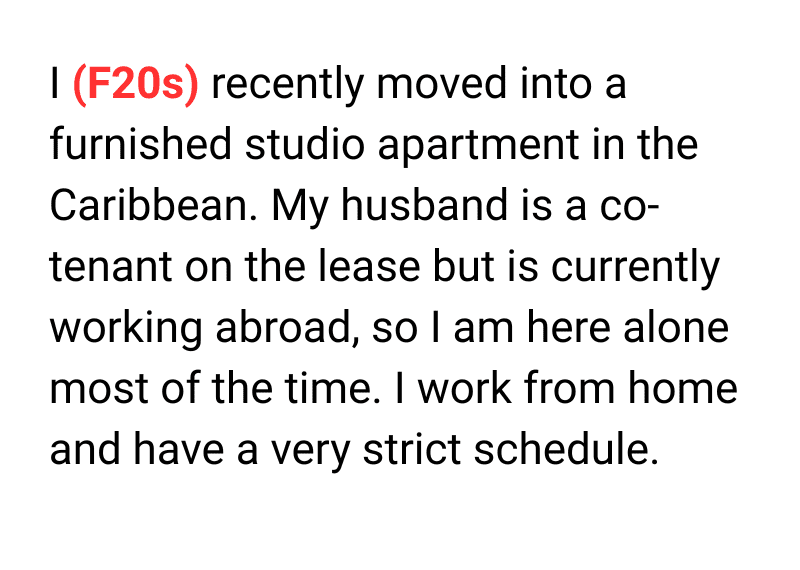
Moving into a new apartment can be exciting, but it can also come with unexpected challenges especially when it comes to privacy and trust. In this story, a young woman recently relocated to a furnished studio in the Caribbean, while her husband works abroad.
From the start, her landlord insisted on a “mandatory” monthly maid service, which she later discovered was actually his aunt. Concerned that this was less about cleaning and more about monitoring her, she refused the maid.
Since then, the landlord has been pushing to personally inspect the apartment, ignoring her husband—who is a co-tenant—on group chats and communications.
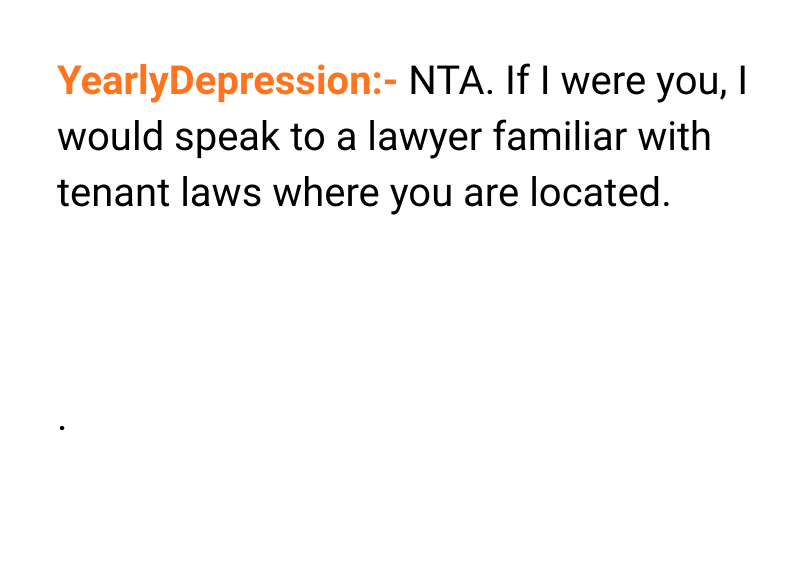
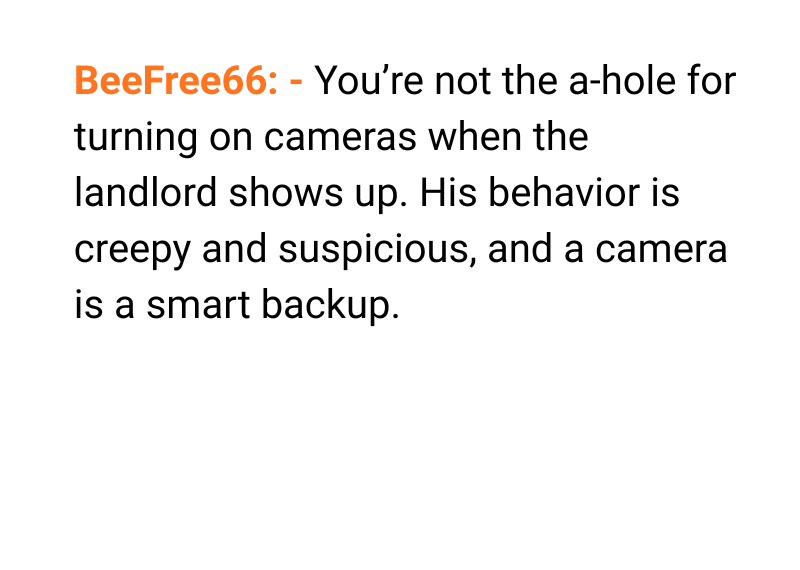
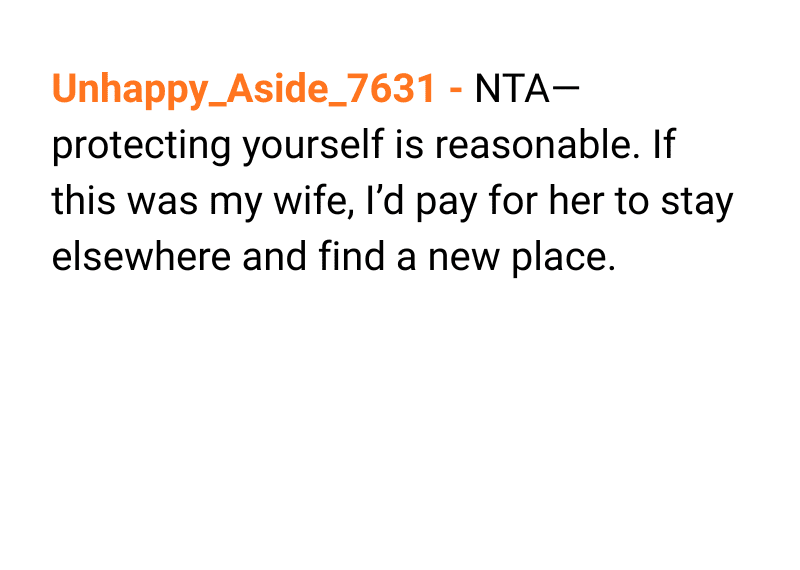
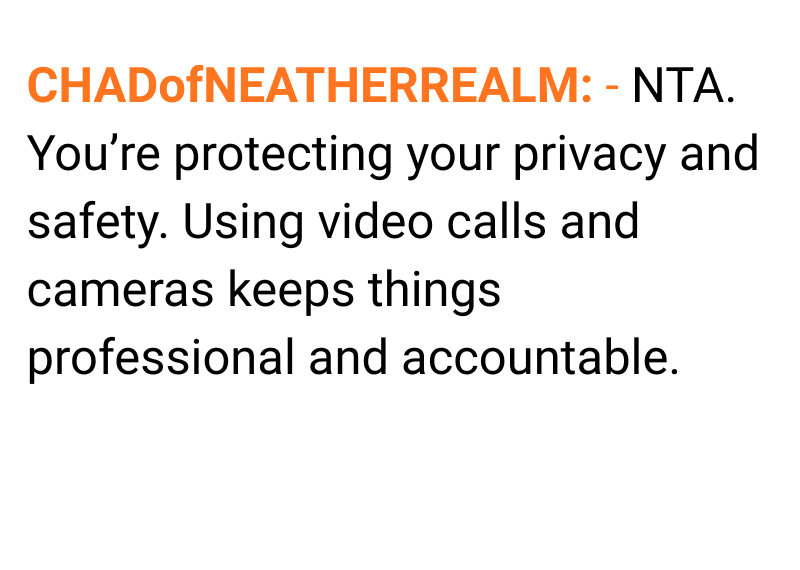
Feeling uncomfortable and potentially vulnerable, she decided to have her husband on a permanent video call during inspections and also set up a security camera. The situation raises questions about boundaries, privacy, and reasonable precautions: is she being overly protective, or is she simply standing up for herself.
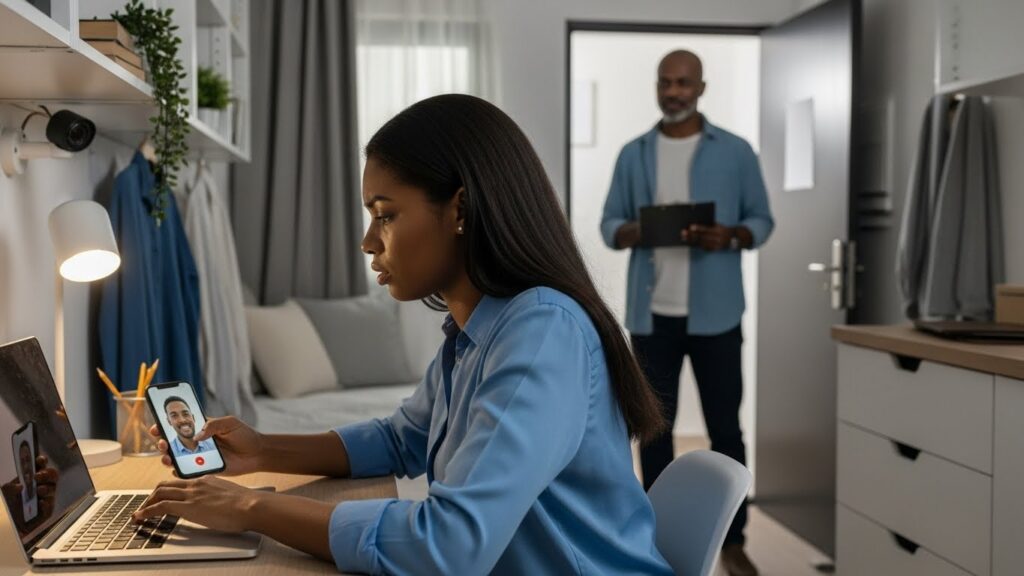
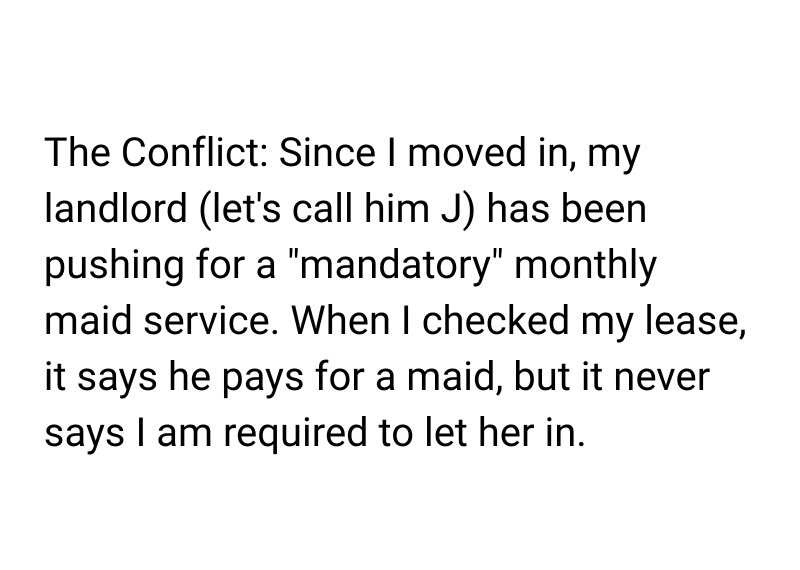
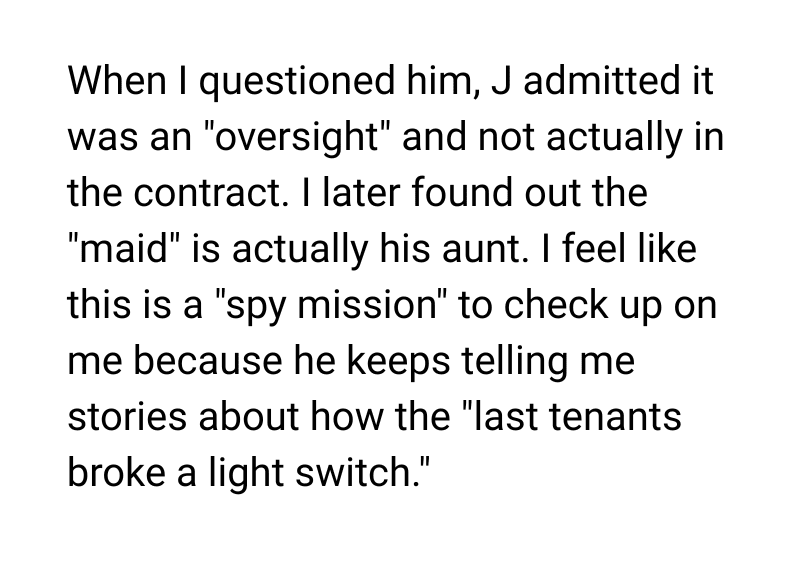
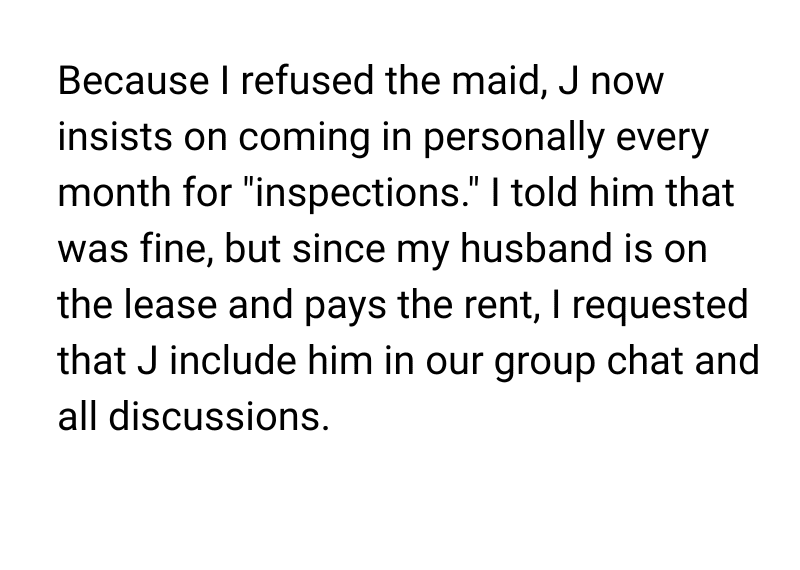
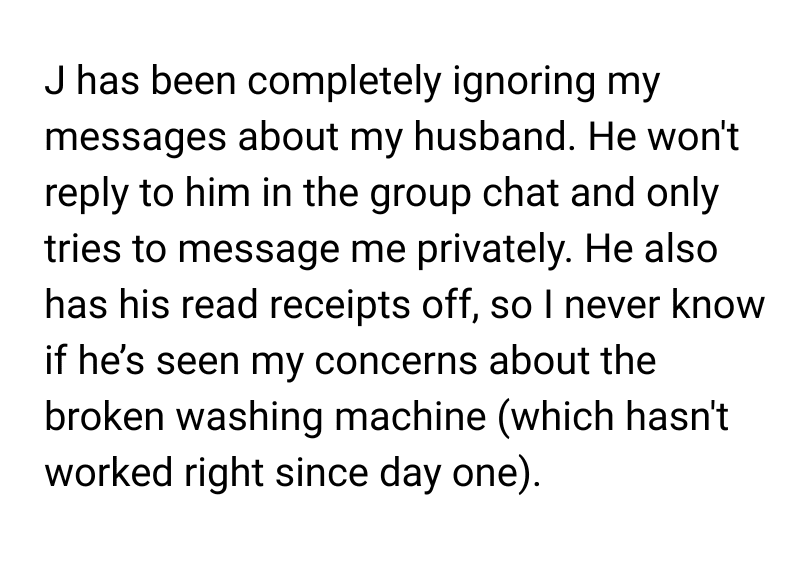

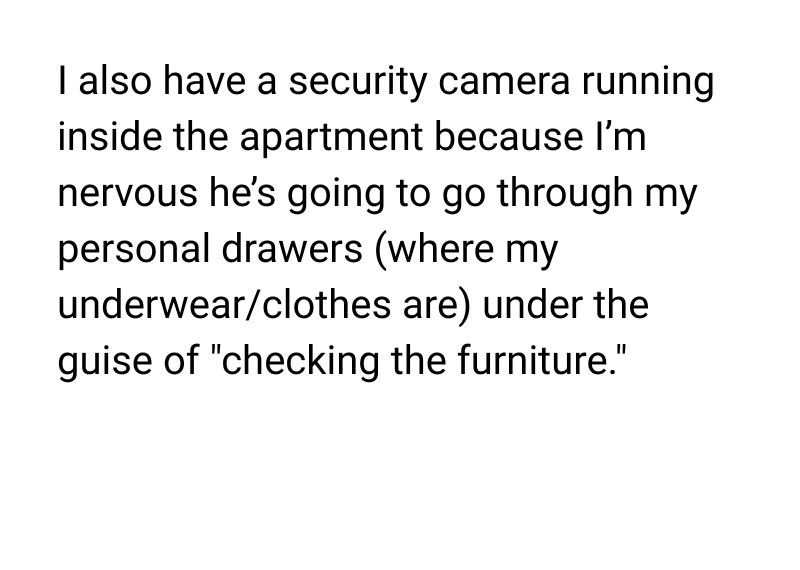
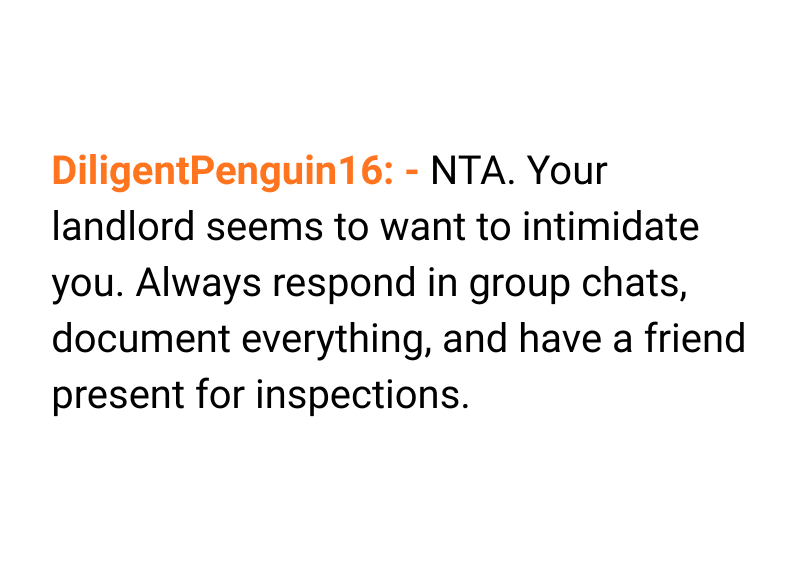
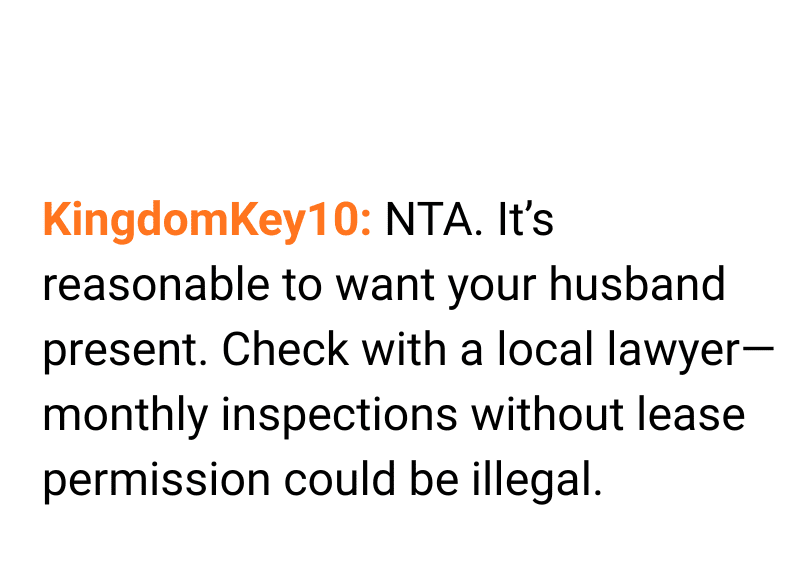
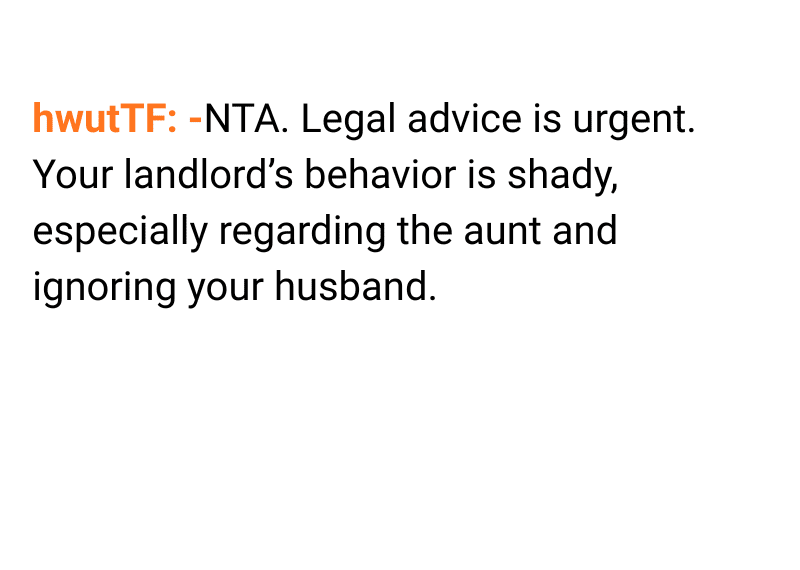
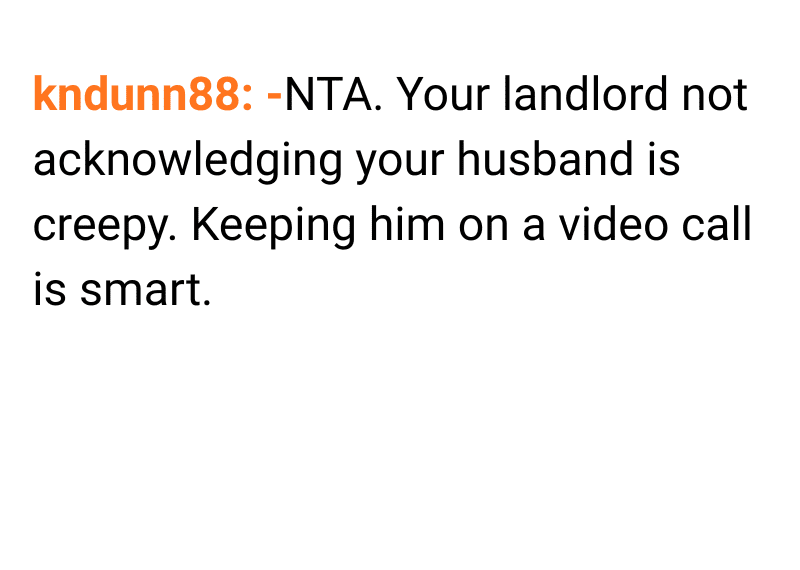
Privacy and boundaries are fundamental, even when a landlord claims they are “protecting their property.” In this case, the tenant has valid reasons to feel uneasy an unexpected maid who is a family member of the landlord, ignored communications about her husband, and potential overreach into her personal space all signal a need for caution.
By involving her husband on a video call and using a security camera, she is not being difficult; she is establishing clear boundaries and protecting her safety and privacy. Standing up for yourself in situations like this is both reasonable and responsible.
While landlords have a right to inspect their property, tenants also have a right to feel safe and respected. Ultimately, prioritizing personal security and ensuring transparency in landlord-tenant interactions is not only acceptable it’s essential.